1. Executive Summary
Lead generation remains the lifeblood of recruitment and staffing agencies. With over 25,000 staffing agencies competing in the US market alone, and about 160,000 agencies operating globally, the companies that implement systematic lead generation strategies consistently outperform those relying on job board referrals and sporadic networking.
This comprehensive guide equips staffing and recruitment professionals with proven, modern lead generation strategies that work in 2026 and beyond. Top-performing agencies generate 40% more qualified leads than their competitors by leveraging multi-channel approaches that combine LinkedIn prospecting, content marketing, SEO, email automation, and strategic paid advertising.
Key takeaways:
- Multi-channel approaches generate 40% more qualified leads
- 78% of hiring managers prefer agencies with demonstrated industry expertise
- Email newsletters deliver 3-5 qualified leads monthly when executed strategically
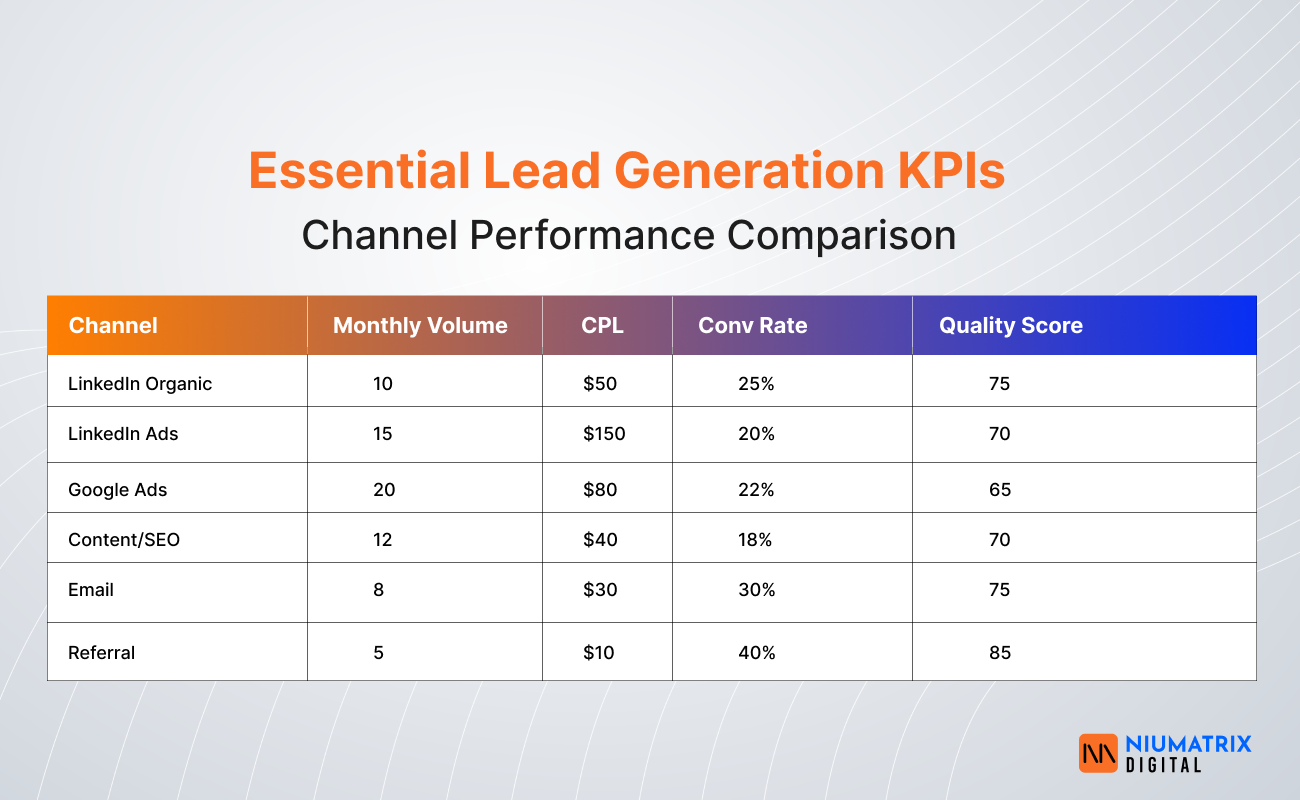
- Cost per lead ranges from $35-$150 depending on channel and targeting
- Lead-to-MQL conversion benchmarks: 5-15% across B2B industries
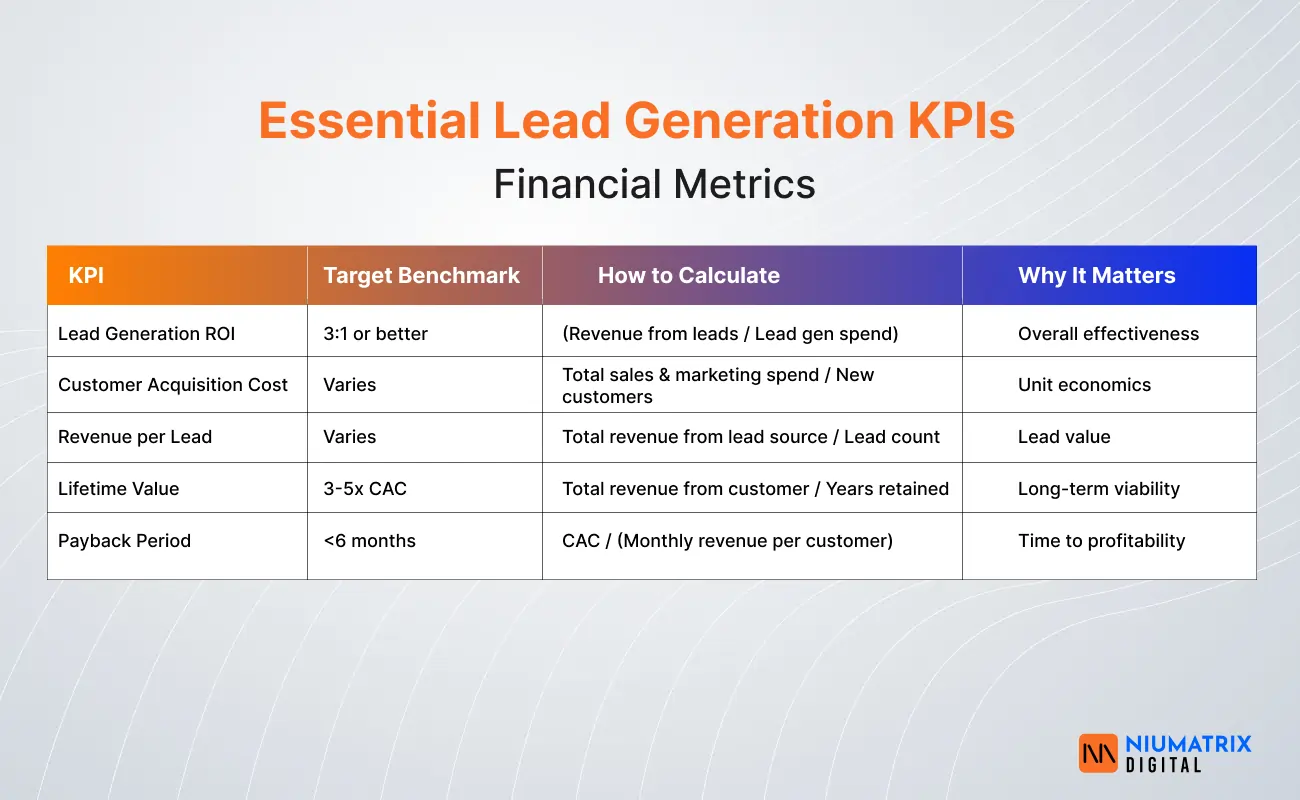
- Healthy lead generation ROI targets: 3:1 or better
This guide provides actionable frameworks, specific tactics, and implementation guidance you can deploy immediately.
Table of Contents
- Executive Summary
- Introduction: Why Lead Generation Matters for Staffing Agencies
- Understanding Your Market and Ideal Clients
- Core Lead Generation Channels
- Content Marketing Strategy for Staffing Companies
- SEO and Search Engine Optimization
- AI Engine Optimization (GEO) for Visibility
- Email Marketing and Nurturing Campaigns
- LinkedIn Strategy for B2B Recruitment
- Paid Advertising Strategies
- Referral Programs and Strategic Partnerships
- Lead Scoring and Qualification
- Tools and Technology Stack
- Measurement, Analytics, and KPIs
- Implementation Roadmap
- FAQs
- Implementation Checklist
- Conclusion
2. Introduction: Why Lead Generation Matters for Staffing Agencies
The staffing industry generated $124 billion in revenue in 2024. Yet individual agencies often find themselves reactive, chasing job postings and hoping referrals materialize. This approach creates inconsistent pipelines, lower conversion rates, and reduced agency resilience.
Lead generation transforms recruitment agencies from reactive to proactive. Instead of waiting for hiring managers to contact you, a systematic lead generation strategy ensures constant inbound interest from qualified prospects.
2.1. The Cost of Passive Lead Generation
Agencies relying primarily on job board visibility face several challenges:
- Intense competition from thousands of other agencies posting identical job listings
- Limited visibility to companies not actively posting (but quietly hiring)
- Reactive engagement focused on fulfilling specific briefs rather than building long-term relationships
- Vulnerability to platform algorithm changes and pricing increases
2.2. The Advantage of Systematic Lead Generation
Agencies with predictable lead generation systems achieve:
- Pipeline consistency: Never wonder where your next job brief originates
- Better conversion rates: High-quality, targeted leads close at significantly higher rates
- Improved positioning: Establish agency expertise and thought leadership before competitors engage prospects
- Business resilience: Diversified client base reduces dependence on single channels or relationships
- Premium pricing: Agencies known as specialists command higher fees than generalists
3. Understanding Your Market and Ideal Clients
Effective lead generation begins with crystal clarity about your ideal client profile (ICP) and target personas.
3.1. Defining Your Ideal Client Profile
Avoid the trap of “we work with anyone hiring.” Instead, focus your lead generation efforts on specific segments where your agency excels.
Key ICP dimensions:
- Industry Specialization
- Technology and IT staffing
- Healthcare and clinical staffing
- Finance and accounting recruitment
- Engineering and manufacturing staffing
- Sales and business development
- Industrial and warehouse staffing
- Creative and digital professionals
- Company Size
- Enterprise (500+ employees)
- Mid-market (100-500 employees)
- Small business (10-100 employees)
- Startup (under 10 employees)
- Hiring Volume
- High-volume hiring (50+ annual placements)
- Medium-volume (10-50 annual placements)
- Project-based (sporadic, intensive hiring)
- Staffing Needs
- Temporary and contract staffing
- Direct permanent hire placement
- Staff augmentation
- Executive search
- RPO (Recruitment Process Outsourcing)
3.2. Creating Buyer Personas
Beyond ICP, develop detailed personas representing key decision-makers you’ll target:
Persona 1: Hiring Manager/Department Leader
- Actively feels pain of open positions
- Measures success by time-to-fill and quality of new hires
- Values agencies that understand their specific role requirements
- Concerned with candidate fit and retention
Persona 2: HR/Talent Acquisition Leader
- Owns recruitment strategy and vendor relationships
- Balances multiple hiring needs across departments
- Evaluates agencies on compliance, process, and metrics
- Influenced by agency expertise and market insights
Persona 3: Procurement/Contingent Workforce Manager
- Controls supplier approval and rate negotiation
- Manages MSP/VMS platform and compliance
- Values efficient vendor management and reporting
- Concerned with cost efficiency and vendor performance
Understanding these personas shapes your messaging, content topics, and outreach approach throughout all lead generation channels.
4. Core Lead Generation Channels
The most effective staffing agencies employ a multi-channel strategy that balances inbound and outbound tactics.
4.1. Channel Performance Benchmarks
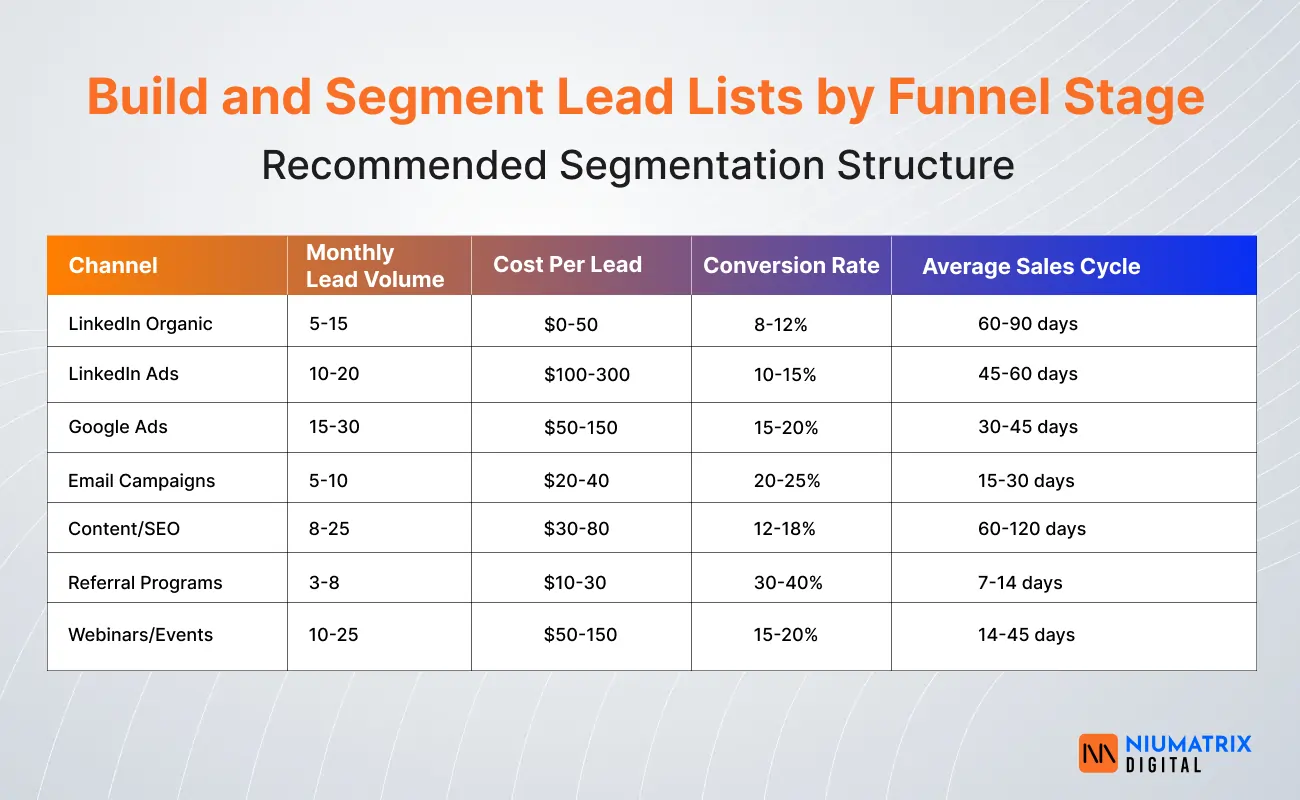
The highest-performing agencies maintain a balanced mix rather than over-relying on any single channel.
5. Content Marketing Strategy for Staffing Companies
Content marketing serves as the foundation for inbound lead generation. When executed strategically, content establishes agency expertise while attracting qualified prospects searching for solutions to their hiring challenges.
5.1. High-Converting Content Assets
1. Industry Salary and Compensation Guides
Salary guides rank among the highest-performing content assets for staffing agencies. These guides address a key hiring manager question: “What should we pay for this role?”
Example structure:
- Executive summary with headline findings
- Salary data by role, experience level, and location
- Benefits and compensation trends
- Industry-specific insights
- Market outlook and predictions
- Company size and sector variations
Salary guides generate leads for months or even years after publication as candidates and employers continuously search for compensation data. Create vertical-specific versions (Tech Salary Guide 2026, Healthcare Hiring Market Report 2026) to capture multiple keyword variations.
2. Industry Hiring Trend Reports
Annual hiring trend reports position your agency as a market authority while capturing searches from companies planning their talent strategies.
Topics to cover:
- Predicted hiring volumes by industry and role
- Skill gaps and talent shortages
- Compensation and benefits trends
- Remote work adoption rates
- Diversity and inclusion initiatives
- Technology adoption (AI, automation)
- Seasonal hiring patterns
These reports work best when backed by proprietary data from your placements, industry surveys, or partnerships with other agencies.
3. Hiring Process and Best Practice Guides
Create actionable guides addressing common hiring challenges faced by your target companies.
High-performing guide topics:
- Building diverse hiring teams and inclusive processes
- Reducing time-to-fill: Systems and best practices
- Evaluating candidates beyond resumes
- Remote hiring and onboarding strategies
- Compliance and legal considerations in hiring
- Succession planning and retention strategies
- Building employer brand to attract passive candidates
- Retention and performance management after placement
These guides address hiring manager pain points directly, making them valuable lead magnets that demonstrate your expertise.
4. Candidate Assessment and Skills Frameworks
Provide hiring managers with tools to evaluate candidate potential beyond traditional interviews.
Examples:
- Technical skills assessments for IT positions
- Behavioral and personality frameworks
- Industry-specific competency models
- Leadership capability assessments
- Cultural fit evaluation tools
These resources are heavily downloaded and directly position your agency as the expert resource on evaluation.
5. Video Content and Testimonials
Video content achieves 20-30% higher engagement than static images and significantly outperforms text-only content on social platforms.
Video content to create:
- Client success stories and testimonial videos
- Candidate placement stories highlighting career transformations
- Industry expert interviews on hiring trends
- Behind-the-scenes team and company culture content
- Interview preparation tips for candidates
- Hiring manager best practices
- Virtual office tours and team introductions
Publish videos on YouTube, LinkedIn, and embedded on relevant blog posts to maximize reach.
6. Interactive Content and Tools
Interactive content generates higher engagement and more lead data than static alternatives.
Interactive tools to develop:
- Candidate assessment quizzes
- Role fit assessment tools
- Salary calculators by location and experience
- Time-to-fill benchmarking tools
- Hiring needs assessment questionnaires
- Industry career path guides (interactive)
These tools require email submission before access, directly capturing lead information while delivering value.
5.2. Content Creation Best Practices
Topic Research and Keyword Integration
Identify topics your ICP actively searches for using:
- Google Search Console and Google Trends
- SEMrush and Ahrefs keyword research
- LinkedIn search trends and popular posts
- Competitor content analysis
- Direct feedback from clients and candidates
Create content around keywords your ICP searches for:
- “How to hire [role] in [location]”
- “[Industry] hiring trends 2026”
- “[Role] salary expectations [city]”
- “Best practices for [specific hiring challenge]”
- “[Industry] talent shortage solutions”
Depth and Comprehensiveness
Aim for substantial content that thoroughly addresses the topic:
- Long-form guides: 2,000-4,000 words minimum
- Salary guides: 3,000-5,000 words with detailed data
- Trend reports: 2,500-3,500 words with original insights
Comprehensive content demonstrates expertise, ranks better in search results, and generates more qualified leads than thin content.
Publishing Cadence
Consistency matters more than volume. Publishing strategies that work:
- 2-3 high-quality pieces monthly (with promotion)
- 1-2 pieces weekly if your content team supports it
- Quarterly flagship content (comprehensive guides or reports)
- Regular blog posts addressing common questions
- Monthly trend analysis and industry insights
Lead Capture Integration
Embed lead capture opportunities within and alongside content:
- Gate premium content (salary guides, trend reports) behind email capture
- Use progressive profiling for subsequent downloads
- Include relevant CTAs within content pointing to consultation opportunities
- Create “next steps” suggestions based on content consumed
- Implement exit-intent lead capture offers on high-traffic pages
6. SEO and Search Engine Optimization
SEO generates consistent inbound traffic from companies actively searching for staffing solutions. Unlike paid advertising that stops delivering when you stop spending, SEO builds long-term visibility that compounds over time.
6.1. Technical SEO Foundations
Site Speed and Performance
Google’s Core Web Vitals directly impact rankings. Ensure:
- Page load times under 3 seconds (under 1 second for mobile)
- Image optimization and compression
- CDN implementation for geographic distribution
- Browser caching configured
- Code minification (CSS, JavaScript)
- Database query optimization for job boards
Mobile Optimization
60% of job searches occur on mobile devices. Your site must:
- Be fully responsive across all devices
- Feature touch-friendly navigation and buttons
- Load quickly on mobile networks (not just desktop)
- Include click-to-call buttons for immediate contact
- Optimize forms for mobile input
- Display location-based job searches
- Support push notifications for new opportunities
Site Architecture and URL Structure
Create clear, hierarchical site structure:
- Logical category structure for job listings and services
- Descriptive URLs: /jobs/[location]/[job-title]/ rather than /job?id=12345
- Breadcrumb navigation for hierarchy clarity
- Proper internal linking connecting related content
- XML sitemap updated automatically for new/expired listings
6.2. On-Page Optimization
Keyword Targeting Strategy
Target three keyword categories:
- High-Volume, High-Difficulty Keywords (target for long-term authority)
- “Staffing agency” + [location]
- “Recruitment services” + [industry]
- “Temporary staffing near me”
- Medium-Volume Keywords (realistic near-term targets)
- “[Role] jobs in [city]”
- “[Industry] staffing agency + [location]”
- “Hire [role] quickly”
- “Contract [role] positions”
- Long-Tail, High-Intent Keywords (quick wins)
- “Remote software developer positions 2026”
- “Temporary healthcare staffing [specific city]”
- “Manufacturing workers available immediately”
- “Medical device sales positions + [region]”
Target long-tail keywords that capture specific intent. These convert better than broad terms and face less competition.
Title Tags and Meta Descriptions
Craft compelling, keyword-inclusive titles and descriptions:
- Title tags (60 characters max): “[Keyword] in [Location] | [Agency Name]”
- Example: “IT Staffing Services in Chicago | TechStaff Solutions”
- Meta descriptions (160 characters max): Action-oriented, benefit-focused
- Example: “Find quality IT candidates in 72 hours. Expert tech recruiting for Chicago businesses. Free consultation available.”
Each job posting and service page needs unique tags—avoid duplication.
Content Optimization
For job postings and service pages:
- Use descriptive H1 headers matching search intent
- Include H2/H3 subheaders organizing content logically
- Write 300-500 words of unique content per job posting (not templates)
- Include relevant industry terminology and skill keywords
- Answer common questions about the role and hiring process
- Incorporate location modifiers naturally in content
Schema Markup Implementation
Structured data helps search engines understand your content:
- Job Posting Schema for job listings:
- Job title, description, location
- Salary range (when possible)
- Employment type (temporary, contract, permanent)
- Company information
- Application deadline
- Organization Schema for company pages:
- Company name, logo, contact info
- Physical locations and local business information
- Certifications and credentials
- Local Business Schema for location-specific pages:
- Business information by location
- Service area and radius
- Local reviews and ratings
Proper schema markup can earn rich snippets in search results, significantly improving click-through rates.
6.3. Content Strategy and Topic Clusters
Organize your content into topic clusters that demonstrate comprehensive expertise:
Cluster Example: Healthcare Staffing
- Hub page: “Healthcare Staffing Solutions”
- Pillar content linking to:
- Temporary nurse staffing
- Traveling physician placement
- Medical assistant recruitment
- Healthcare compliance in staffing
- Healthcare industry salary trends
- Building a diverse healthcare team
- Pillar content linking to:
This structure signals to search engines that you’re an authority on healthcare staffing across multiple dimensions.
6.4. Local SEO Strategy
Local SEO drives the majority of staffing agency business, especially for regional firms.
Google Business Profile Optimization
- Complete all information fields accurately
- Consistent business name, address, phone number (NAP)
- High-quality photos of offices, team, and company culture
- Regular posts about job openings and company news
- Q&A section actively managed with helpful responses
- Regular monitoring and response to customer reviews
Location-Specific Landing Pages
Create dedicated pages for each location you serve:
- Unique content addressing local market conditions
- Local industry focus and hiring challenges
- Testimonials from local clients and candidates
- Local team member bios and credentials
- Links to local resources and community organizations
- Local keyword optimization in titles and headers
Citation Consistency
Ensure your business information is consistent across:
- Industry directories (Indeed, LinkedIn, Glassdoor)
- Local business listings (Yelp, Local.com)
- Chamber of commerce and local organizations
- Google Maps and local search platforms
- Your own website
Inconsistent citations confuse search engines and harm local rankings.
Review Generation and Management
Reviews directly impact local rankings and conversion rates:
- Systematically request reviews from satisfied clients and candidates
- Respond to all reviews (positive and negative)
- Address concerns professionally without defensiveness
- Feature positive reviews on your website and marketing
- Monitor reviews across all platforms (Google, Indeed, Glassdoor)
6.5. Building Authority and Backlinks
Backlinks from authoritative sources signal credibility to search engines.
Guest Content Strategy
Write guest articles for:
- Industry publications (Staffing Industry Analysts, ERE Media)
- HR blogs and publications
- Business and recruitment podcasts (in show notes)
- LinkedIn articles and thought leadership pieces
- Industry association publications
Each piece should include your author bio with links to your website.
Creating Link-Worthy Resources
Develop original resources that naturally attract backlinks:
- Proprietary research and industry reports
- Tools and calculators (salary, cost-of-turnover, etc.)
- Comprehensive industry guides
- Infographics and data visualizations
- Original salary and market data
Link-worthy content attracts backlinks organically as other sites reference and cite your work.
Strategic Partnerships
Partner with complementary businesses for mutual linking:
- HR software platforms
- Payroll and benefits providers
- HR consulting firms
- Industry associations
- Workforce development organizations
These partnerships often create natural linking opportunities through co-authored content, resource guides, and mutual referrals.
7. AI Engine Optimization (GEO) for Visibility
Beyond traditional SEO, AI-powered search engines like ChatGPT, Gemini, and Claude are reshaping content visibility. Optimizing for AI engines (Generative Engine Optimization/GEO) is now essential for comprehensive visibility.
7.1. How AI Search Differs from Traditional Search
AI search engines process information differently than keyword-based search:
- AI systems extract and synthesize information from multiple sources
- Content must be easily parseable and extractable
- Clear structure, semantic clarity, and fact-based content win
- AI values comprehensive, authoritative coverage more than keyword density
- Citation and sourcing matter greatly to AI systems
7.2. GEO Implementation Strategy
Content Structure and Organization
Organize content for AI extraction:
- Use clear, hierarchical heading structure (H1, H2, H3)
- Create modular, answer-focused sections
- Keep paragraphs short and clear (2-4 sentences per paragraph)
- Use 15-20 word sentences maximum
- Break complex ideas into digestible chunks
Each section should answer a complete question independently—AI systems extract section-by-section.
Question-Based Headings
Use H2 and H3 headings phrased as questions matching user intent:
Instead of: “Salary Information”
Use: “What Are Current Salary Ranges for Accounting Professionals in 2026?”
Instead of: “Hiring Process”
Use: “How Can We Speed Up Our Hiring Process?”
This mirrors how people ask ChatGPT and other AI systems, increasing your visibility in AI-generated answers.
Answer-First Approach
Structure each section with immediate answers:
- Direct answer in first 75-120 words (AI extraction sweet spot)
- Supporting detail and evidence
- Examples and case studies
- Links to related content
Semantic Clarity and Definitions
Use clear, conversational language:
- Define specialized terms on first use
- Avoid jargon without explanation
- Use natural language that mirrors how people speak
- Include synonyms and variations of key terms
- Explain acronyms fully
Fact-Based Content with Citations
AI systems heavily weight cited, attributable information:
- Include data sources and citations
- Reference studies and research
- Attribute quotes properly
- Provide context for statistics
- Update content with fresh, recent data
Topic Clusters and Internal Linking
Organize related content into topic clusters:
- Create hub pages covering topics comprehensively
- Link deeply between related pieces
- Use descriptive anchor text
- Build topical authority across multiple pieces
This helps AI systems understand your comprehensive expertise.
FAQ Schema Implementation
FAQ sections with proper schema markup help AI extraction:
- Questions ranked by relevance to your audience.
- Concise, clear answers (100-150 words ideal).
- Proper FAQ schema markup for search engines.
Metadata and Semantic Markup
Use proper semantic HTML elements:
- Semantic heading structure (not styling tricks)
- Proper article and section tags
- OpenGraph meta tags for social and AI sharing
- Keywords naturally in meta descriptions
- Content publication and update dates
Speed and Accessibility
AI systems prioritize fast-loading, accessible content:
- Return content in under 1 second
- Keep important content high in HTML
- Use clear, high-contrast design
- Ensure mobile accessibility
- Test content accessibility with tools
Create an llms.txt File
Place a text file at your root domain (/llms.txt) guiding AI systems:
=======================
# Company Information
Your staffing agency name and mission
# Key Expertise
Healthcare Staffing, IT Recruitment, Executive Search
# Important Pages
/about – Our team and experience
/services – Service offerings
/resources – Industry guides and reports
# Data and Research[Link to proprietary salary data] [Link to industry reports]
# Contact
Contact information and inquiry process
=======================
8. Email Marketing and Nurturing Campaigns
Email generates some of the highest ROI of any marketing channel. For staffing agencies, email nurtures leads that require education and trust-building before committing to conversations.
8.1. Building Your Email List
Create multiple pathways for email capture:
- Website lead capture forms (gated content)
- Salary guides and reports
- Industry trend reports
- Hiring process templates
- Candidate assessment tools
- Content downloads
- Blog content opt-ins
- Checklist and templates
- Webinar registrations
- Resource libraries
- Event registrations
- Webinars and virtual events
- In-person networking events
- Conferences and trade shows
- Roundtable discussions
- Website visitors
- Exit-intent offers
- Scroll-triggered popups
- Chatbot capture
- Contact form submissions
8.2. Segmentation Strategy
Segment your email list for targeted, relevant messaging:
By Company Characteristics:
- Industry (technology, healthcare, finance, etc.)
- Company size (enterprise, mid-market, SMB)
- Location (geographic targeting)
- Hiring volume and frequency
By Role and Persona:
- Hiring managers (pain: time-to-fill)
- HR/Talent Acquisition leaders (pain: process and compliance)
- Procurement/Contingent workforce (pain: cost and efficiency)
By Engagement and Stage:
- Cold/new contacts (education and awareness)
- Warm prospects (active hiring signals)
- Recent consultation leads (sales-ready)
- Past clients (retention and upsell)
- Churned clients (win-back campaigns)
By Content Interaction:
- Downloaded specific salary guide (industry-interested)
- Downloaded hiring template (active hiring phase)
- Attended webinar on specific topic (high engagement)
- Visited pricing/services pages (high intent)
8.3. Email Campaign Architecture
Welcome Series (for new contacts)
- Email 1 (Immediate): Welcome, introduce agency expertise, first value offer
- Email 2 (Day 3): Share most popular resource, build credibility
- Email 3 (Day 7): Educational content addressing common pain points
- Email 4 (Day 10): Soft offer for consultation or additional resources
Educational Nurture Series (for cold/warm leads)
- Weekly content addressing hiring challenges
- Industry-specific insights and trends
- Client case studies and success stories
- Relevant data and market research
- Subtle service positioning through content
Send educational content 80% of the time, promotional asks 20%.
Sales-Ready Lead Sequences (for high-intent prospects)
- Immediately move to sales conversations
- Provide highly relevant case studies
- Offer personalized consultation
- Address specific objections they’ve expressed
- Move quickly to meetings (within 24-48 hours)
Webinar and Event Follow-Up
- Within 24 hours: Thank you, share presentation, Q&A recording
- Day 3: Additional resources related to webinar topic
- Day 7: Case study related to webinar topic
- Day 14: Free consultation offer or next educational event
Quarterly Business Review Campaigns (for existing clients)
- Metrics and results achieved
- Industry trends affecting their business
- New services or capabilities
- Referral opportunities
- Renewal or expansion opportunities
8.4. Email Best Practices for High Conversion
Subject Line Strategy
Effective subject lines achieve 30%+ open rates:
- Personalization: “Sarah: Your market salary data is ready”
- Curiosity: “The #1 reason your best candidates are leaving”
- Benefit-focused: “How to cut your hiring time in half”
- Specificity: “2026 IT Salary Trends: Full Report Inside”
- FOMO/Urgency: “This Friday only: Free hiring consultation”
Content Optimization
- Keep emails scannable with short paragraphs
- Use bullet points for key benefits
- Include relevant images and testimonial quotes
- Lead with the most important information
- One clear call-to-action (CTA) per email
- Personalize with recipient name and company info
Mobile Optimization
60%+ email opens occur on mobile:
- Single-column layout
- Large, thumb-friendly buttons for CTAs
- Fast-loading images
- Clear subject lines that don’t truncate
- Readable font sizes (14px minimum)
Testing and Optimization
- A/B test subject lines (opens) and content (clicks)
- Test send times (morning, midday, evening)
- Test frequency (weekly vs. bi-weekly)
- Monitor unsubscribe rates
- Refine based on engagement data
Deliverability Management
Protect your sender reputation:
- Monitor bounce rates (keep below 2%)
- Implement double opt-in
- Include clear unsubscribe option
- Honor unsubscribe requests within 10 days
- Monitor spam complaints
- Use SPF and DKIM authentication
9. LinkedIn Strategy for B2B Recruitment
LinkedIn is the dominant B2B platform with 900+ million professionals. For staffing agencies, LinkedIn offers unparalleled access to hiring managers, HR leaders, and passive candidates.
9.1. LinkedIn Organic Strategy
Company Profile Optimization
Your LinkedIn company page is your storefront:
- Professional company logo and cover image
- Comprehensive “About” section highlighting specializations
- Clear description of services and value proposition
- Link to website and contact information
- Regular posting schedule
- Featured content section showcasing best work
- Case studies and success stories
Content Publishing Strategy
LinkedIn rewards consistent, valuable content:
Content Types That Perform:
- Industry Insights and Commentary (30% of posts)
- Market trend observations
- Commentary on industry news
- Hiring market predictions
- Emerging skill demands
- Educational Content (30% of posts)
- Hiring best practices tips
- Interview preparation guidance
- Career development insights
- Salary and compensation data
- Company Culture and Team (20% of posts)
- Team member spotlights
- Company milestones
- Office events and celebrations
- Behind-the-scenes content
- Case Studies and Success Stories (20% of posts)
- Candidate placement stories
- Client results and metrics
- Transformation narratives
Posting Strategy for Maximum Reach:
- Post consistently (2-3 times weekly minimum)
- Optimal post length: 150-300 words for articles, 50-100 for text posts
- Use video content (receives 20-30% higher engagement)
- Post Tuesday-Thursday, 7am-10am for peak engagement
- Engage with comments within first 2 hours (signals algorithmic engagement)
- Tag relevant people and companies (but sparingly)
- Use relevant hashtags (#StaffingIndustry, #Recruitment, #HiringManager)
Employee Advocacy
Amplify your reach through employee sharing:
- Encourage your team to share company content
- Employee posts often reach further than company posts
- Highlight team members as subject matter experts
- Create shareable graphics and quotes
Individual posts often receive 5x more engagement than company pages.
9.2. LinkedIn Outreach Strategy
Sales Navigator Prospecting
LinkedIn Sales Navigator enables advanced prospecting:
Building Target Lists:
- Search by job title (Hiring Manager, HR Manager, VP Talent Acquisition, Procurement Manager)
- Filter by industry and company size
- Use “recent job changes” filter (job changes often precede hiring needs)
- Identify companies with funding or leadership changes
- Target accounts showing growth signals
Outreach Approach:
- Connection Request Phase
- Personalized connection requests (not default message)
- Specific mention of common interests or observations
- Avoid “buy my services” in connection requests
- Connection acceptance typically 40%+ with personalization
- Initial Message (after connection accepted)
- Reference specific commonalities or observations
- Demonstrate research on their company/role
- Mention a relevant success story or insight
- Soft offer: “Would be happy to share how we’ve helped similar companies…”
- Keep under 100 words
- Follow-Up Sequence
- Message 1 (Connection): Personalized intro
- Message 2 (Day 5): Share relevant article or insight
- Message 3 (Day 10): Different angle or opportunity
- Message 4 (Day 15): Value-first offer (consultation, market data)
- Pause after 4-5 touches without response
Conference and Event Strategy
Events indicate interest in hiring solutions:
- Identify relevant conferences (HR conferences, industry-specific events)
- Research attendees before events on LinkedIn
- Connect with attendees 2-3 weeks before
- Reference the event in your connection message
- Propose in-person meeting specifically for the conference
- Follow up within 24-48 hours of meeting
LinkedIn Content Engagement
Build relationships through engagement:
- Follow target hiring managers’ posts
- Leave thoughtful comments (not generic compliments)
- Tag people in relevant content shares
- Engage consistently before sending outreach
- Use engagement to build relationship before requesting meetings
9.3. LinkedIn Paid Advertising
LinkedIn Ads Platform Overview
LinkedIn ads reach decision-makers across industry and company characteristics.
Campaign Types:
- Sponsored Content: Native ads in feed (best for awareness)
- InMail: Direct messages to targeted members (highest engagement)
- Text Ads: Simple ads appearing in sidebar (lowest cost)
Targeting Strategy for Staffing:
For best results, target:
- Job titles: “Hiring Manager,” “HR Manager,” “VP Talent Acquisition,” “Procurement”
- Industries: Focus on your specializations
- Company size: Target your ICP range
- Seniority: Director level and above
- Skills: “Talent Acquisition,” “Recruitment,” “Hiring”
Campaign Structure:
- Awareness Campaigns (build brand)
- Content: Educational articles, salary guides, industry reports
- Objective: Website visits, engagement
- Audience: Broader targeting, lower seniority
- Consideration Campaigns (build interest)
- Content: Case studies, webinar invitations, consultations
- Objective: Click-through, form submissions
- Audience: More targeted, higher seniority
- Decision Campaigns (drive conversions)
- Content: Service information, pricing, success stories
- Objective: Form submissions, consultation bookings
- Audience: Highly specific, high-intent
Budget and Expected Performance:
- Starting budget: $1,000-2,000/month for testing
- Cost per click: $2-5 depending on targeting
- Cost per lead: $100-300 depending on conversion optimization
- Lead quality: Generally excellent (decision-maker targeting)
Creative Best Practices:
- Use compelling headlines (70 character max)
- Include benefit-focused body copy
- Use high-quality images or video
- Clear, action-oriented CTA
- Include company logo for brand recall
- Test multiple creative variations
10. Paid Advertising Strategies
Paid advertising provides immediate visibility while your organic efforts build momentum. The key is strategic budget allocation and continuous optimization.
10.1. Google Ads for Staffing Agencies
Google Ads reach companies actively searching for staffing solutions with high purchase intent.
Campaign Types:
- Search Ads (most effective for leads)
- Appear in Google search results
- Target specific keywords related to hiring needs
- Pay only for clicks (PPC model)
- Best for: High-intent, bottom-funnel prospects
- Performance Max (AI-driven campaigns)
- Automatically place ads across Google’s network
- Requires creative assets (text, images, videos)
- Targets based on conversion goals
- Best for: Scaling once you have conversion data
Keyword Strategy:
Target three keyword categories:
- Location-based keywords
- “[role] jobs in [city]”
- “Staffing agency near me”
- “Temp agency [city]”
- “Hire [role] in [location]”
- Service-based keywords
- “Contract nurses available now”
- “Temporary accountants”
- “IT contractors”
- “Healthcare staffing solutions”
- Problem-focused keywords
- “Quick hiring solutions”
- “Reduce time-to-hire”
- “Find candidates in 48 hours”
- “Staffing agency specializing in [industry]”
Budget Allocation:
- Start with $1,500-2,500/month
- Allocate 60% to proven keywords, 40% to testing
- Focus spending on highest-converting keywords
- Scale successful campaigns incrementally
- Monthly budget review and optimization
Expected Performance:
- Cost per click: $0.50-3.00 depending on competitiveness
- Click-through rate: 3-8%
- Cost per lead: $50-150
- Conversion rate: 15-20% (depending on landing page)
10.2. LinkedIn Ads for B2B Targeting
LinkedIn ads work best for reaching specific roles at target companies.
Campaign Setup:
- Audience Targeting
- Job titles: Focus on decision-makers
- Industries: Your target verticals
- Company size: Your ICP
- Seniority level: Director level and above
- Campaign Objectives
- Website visits: Awareness building
- Engagement: Content and webinar promotion
- Lead generation: LinkedIn lead forms
- Video views: Brand building
- Budget and Pacing
- Starting budget: $1,500-2,000/month
- Cost per click: $2-5 typical range
- Cost per lead: $100-300
- Lead quality generally excellent
Creative Best Practices:
- Use compelling visuals (images or video)
- Include benefit-focused copy
- Clear, single CTA
- Personalize for different audience segments
- Test multiple variations
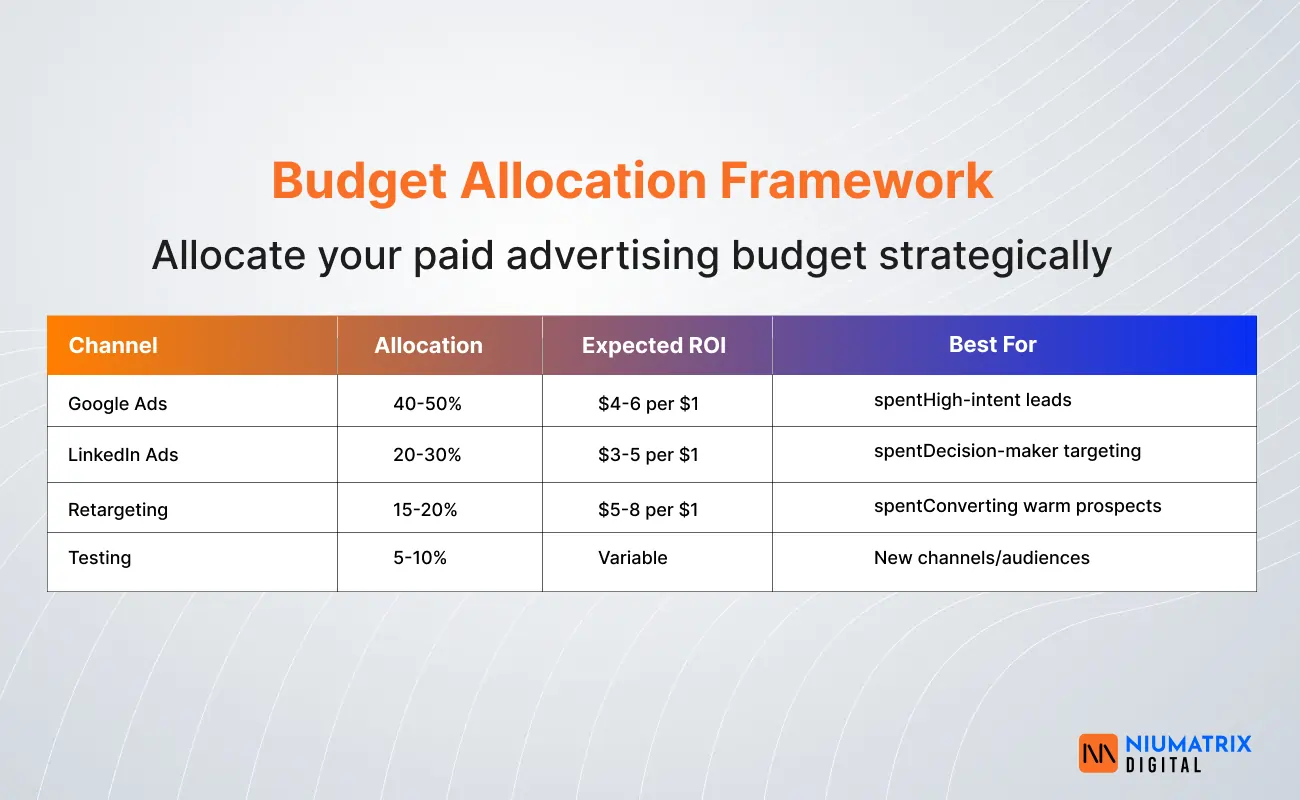
10.3. Budget Allocation Framework
Allocate your paid advertising budget strategically:
10.4. Optimization and Testing
Continuous Improvement:
- Monthly budget review based on performance
- Scale successful campaigns by 10-25%
- Pause underperforming ads after 1-2 weeks
- A/B test creative, copy, and targeting
- Monitor cost per lead trends
- Adjust bidding strategies based on conversion data
11. Referral Programs and Strategic Partnerships
Referral leads typically convert at 2-4x the rate of cold leads. Implementing a systematic referral program generates high-quality, low-cost leads.
11.1. Designing Your Referral Program
Referral Incentive Structure
- Client Referral Bonuses
- For qualified introduction: $250-500
- For successful meeting/consultation: $500-750
- For signed contract: $1,000-3,000
- Tiered incentives for multiple referrals
- Placement Incentives (for placed candidates)
- For successful referral placement: $1,000-2,500
- Bonus for placement within specific timeframe
- Higher bonuses for specialized roles
- Team incentives for high-volume referrers
- Contest and Recognition
- Quarterly top-referrer contests
- Annual referral excellence awards
- Public recognition (email, newsletter, LinkedIn)
- Spiffs for highest referral volume
Program Mechanics
- Simple referral process (email, form, or link)
- Referral tracking system
- Automatic commission calculation
- Timely payment (within 30 days)
- Clear terms and conditions
- Promotional materials for referrers
11.2. Building Strategic Partnerships
Strategic partnerships create mutual referral opportunities while expanding your market reach.
Ideal Partnership Categories:
- Complementary Service Providers
- HR consulting firms
- Executive coaches and recruiters
- Benefits advisors
- Payroll and HR software providers
- Workforce development organizations
- Industry Associations
- HR associations (SHRM, etc.)
- Industry-specific groups
- Chamber of commerce
- Local business networks
- Educational Institutions
- Universities and colleges
- Trade schools and certification programs
- Career development centers
- Professional development platforms
Partnership Development Process:
- Identify potential partners with complementary services and overlapping audiences
- Research their current partnerships to understand their approach
- Propose specific collaboration (co-created content, mutual referrals, events)
- Formalize agreement with clear referral processes and incentives
- Execute together on marketing and promotion
- Monitor and optimize partnership performance
Co-Marketing Opportunities:
- Joint webinars on topics of mutual interest
- Co-authored guides and whitepapers
- Cross-promotion on email lists and social platforms
- Bundled service offerings
- Referral tracking and commission structure
12. Lead Scoring and Qualification
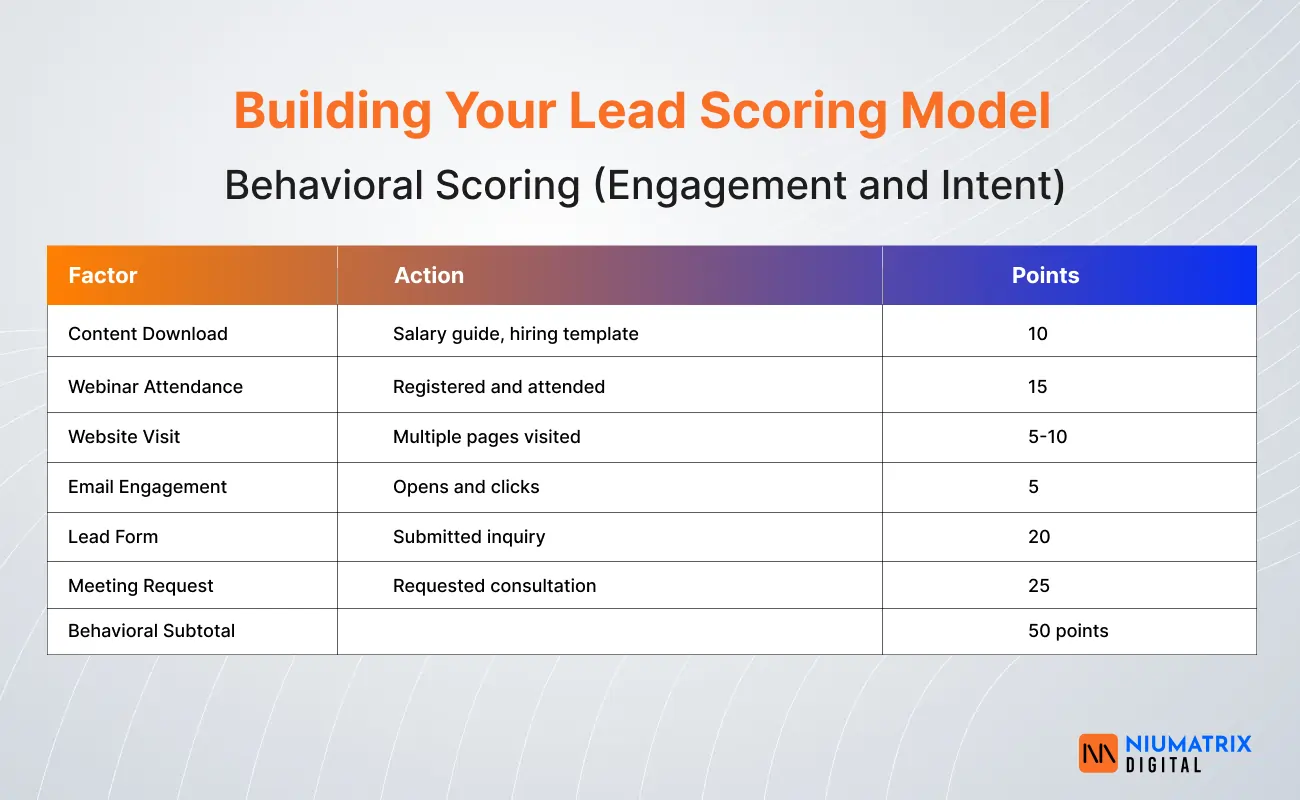
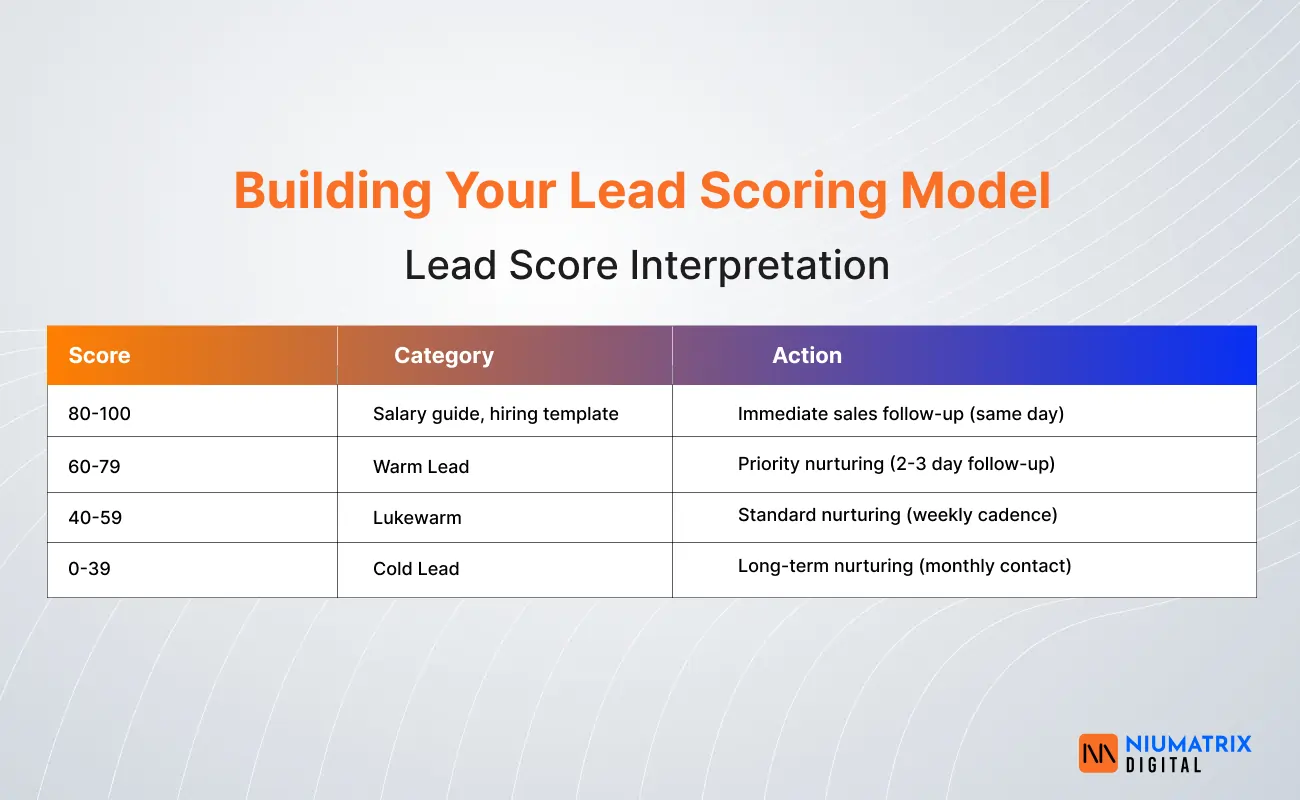
Not all leads are equally valuable. Lead scoring ensures your team focuses on high-probability opportunities.
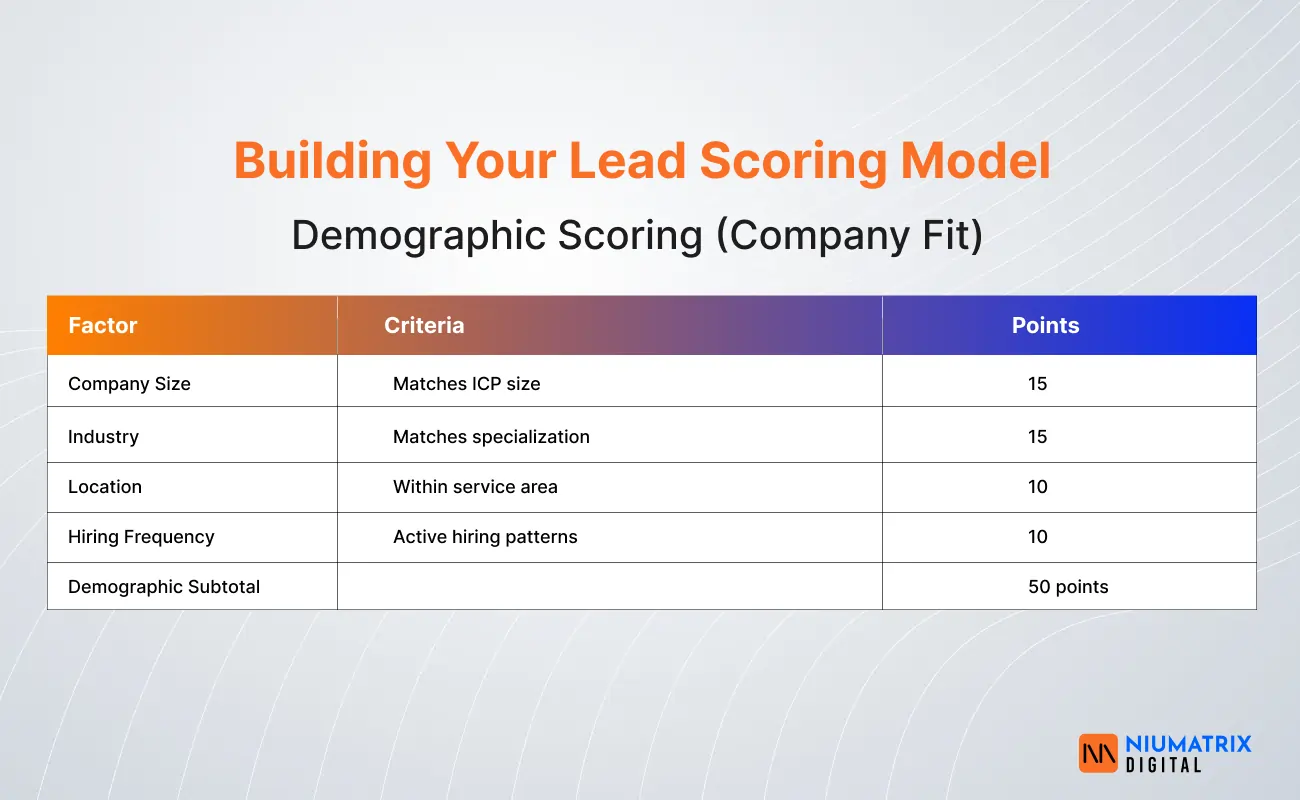
12.1. Building Your Lead Scoring Model
Demographic Scoring (Company Fit)
Behavioral Scoring (Engagement and Intent)
Lead Score Interpretation:
12.2. Lead Qualification Criteria
Ensure leads meet your definition of “qualified” before sales engagement:
Marketing Qualified Lead (MQL) Criteria:
- Appropriate company size
- Fits your industry specialization
- Within your geographic service area
- Demonstrated some engagement (download, webinar, form, email opens)
Sales Qualified Lead (SQL) Criteria:
- All MQL criteria met
- Score 70+
- Specific hiring need identified
- Decision-maker engagement or clear path to decision-maker
- Timeline for hiring identified
- Budget indication present
12.3. Handoff Process
Clear handoff between marketing and sales prevents lead loss:
- Lead reaches MQL threshold: Automatically notified to sales
- Sales reviews qualification: Confirm fit against SQL criteria
- Sales initiates outreach: Within 24 hours for warm leads
- Initial conversation: Qualify need and timeline
- Move to pipeline: If SQL criteria met
- Regular follow-up: Continue nurture if not immediately sales-ready
13. Tools and Technology Stack
Technology multiplies your team’s effectiveness. Build a stack supporting lead generation, nurturing, and tracking.
13.1. Essential Tools Category Overview
Lead Generation and CRM
- Bullhorn (recruitment-specific CRM)
- Vincere (unified ATS/CRM platform)
- HubSpot CRM (general B2B, excellent for small/mid-market)
- Salesforce (enterprise option)
- Zoho CRM (budget-friendly)
Email Marketing
- HubSpot Email (integrated with CRM)
- Mailchimp (volume-based pricing, good for growing agencies)
- Klaviyo (advanced automation)
- ConvertKit (if building thought leadership)
LinkedIn Automation and Outreach
- LinkedIn Sales Navigator (official, most reliable)
- Phantombuster (connection and automation)
- Apollo.io (contact database + outreach)
- Hunter.io (email finding)
Content Creation and SEO
- Google Workspace (docs, sheets, sites collaboration)
- Canva (design and graphics)
- SEMrush (keyword research, content audit)
- Ahrefs (backlink analysis)
- Ubersuggest (budget-friendly keyword research)
Website and Lead Capture
- WordPress (if self-hosted) or HubSpot CMS
- ConvertKit (for content sites and lead magnets)
- Leadpages (dedicated landing pages)
- Typeform (interactive forms)
- Hotjar (user behavior heatmaps)
Analytics and Reporting
- Google Analytics 4
- Mixpanel (conversion funnel analysis)
- Tableau or Data Studio (custom dashboards)
- HubSpot Analytics (if using HubSpot platform)
Productivity and Collaboration
- Asana or Monday (project management)
- Slack (team communication)
- Google Drive (file storage and collaboration)
- Loom (video recording and sharing)
13.2. Recommended Stack by Agency Size
Solo/Small Team (1-3 people)
- HubSpot CRM (free tier)
- Mailchimp
- LinkedIn Sales Navigator
- SEMrush (free or starter)
- Google Suite
- Total cost: $200-400/month
Growing Agency (4-10 people)
- HubSpot or Zoho CRM
- HubSpot Email or Klaviyo
- LinkedIn Sales Navigator + Apollo.io
- SEMrush (Pro) or Ahrefs (Lite)
- Asana (project management)
- Total cost: $800-1,500/month
Established Agency (10+ people)
- Bullhorn or Vincere
- Dedicated email platform (Klaviyo, HubSpot)
- Advanced outreach tools (Apollo.io, ZoomInfo)
- SEMrush + Ahrefs (full access)
- Data Studio + Mixpanel
- Salesforce or HubSpot Enterprise
- Total cost: $2,500-5,000+/month
14. Measurement, Analytics, and KPIs
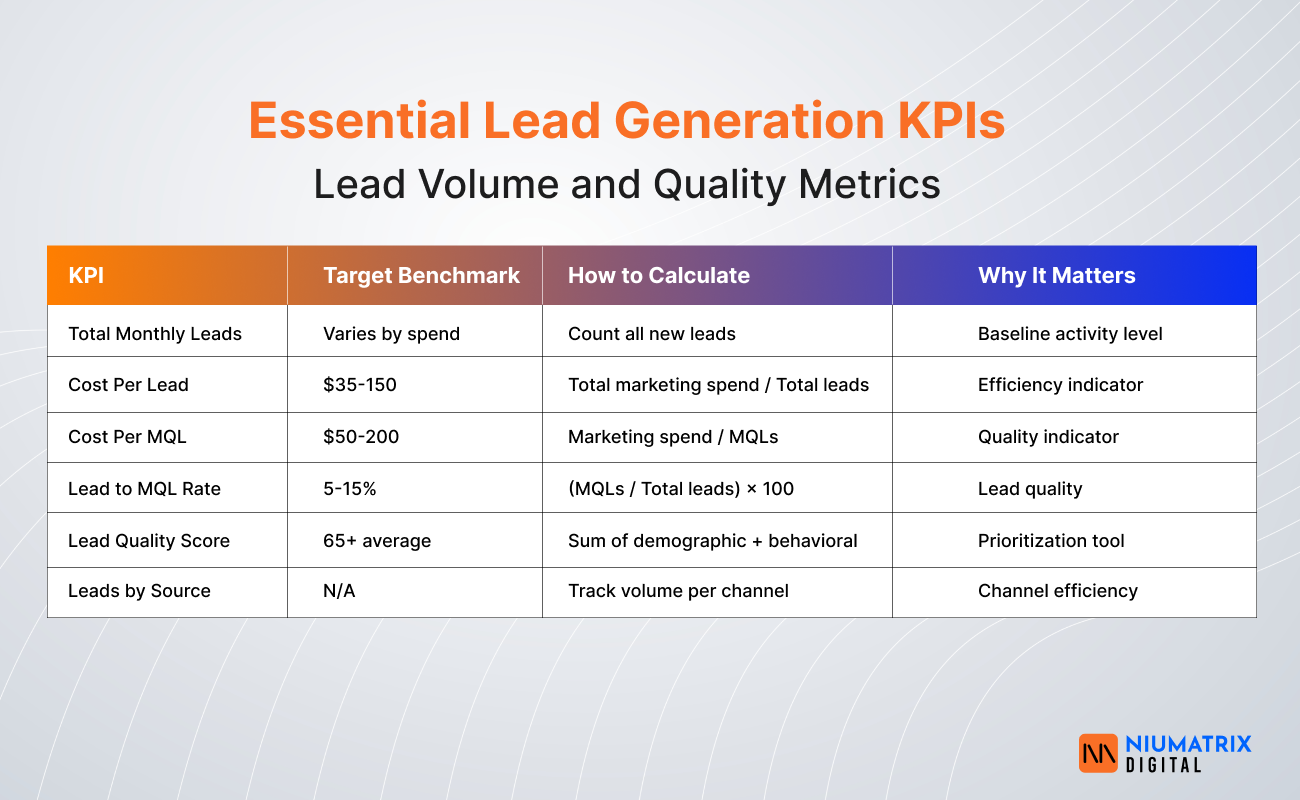
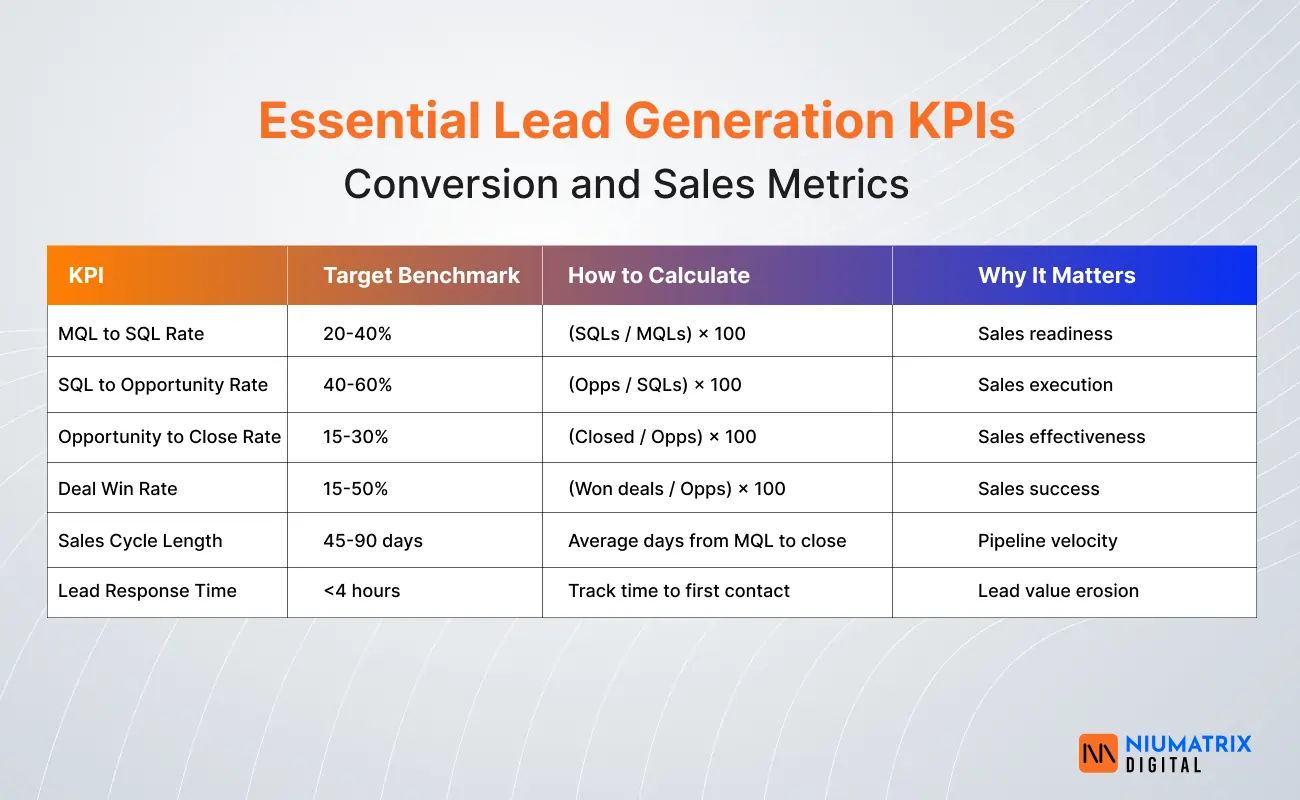
What gets measured gets managed. Establish a robust tracking system for all lead generation activities.
14.1. Essential Lead Generation KPIs
Lead Volume and Quality Metrics
Conversion and Sales Metrics
Financial Metrics
Channel Performance Comparison
Track performance by source to optimize budget allocation:
14.2. Building Your Analytics Dashboard
Create a centralized dashboard showing real-time performance:
Weekly Dashboard (operational focus):
- New leads this week (by source)
- Lead quality distribution
- MQL conversion rate
- Top-performing content
- Email campaign performance
- Sales team activity
Monthly Dashboard (strategic focus):
- Lead volume and trends
- Cost per lead by channel
- Lead source ROI
- MQL to SQL conversion
- Sales pipeline by source
- Revenue from lead source
Quarterly Dashboard (planning focus):
- Quarterly lead volume and trends
- Quarterly CAC and ROI
- Channel performance ranking
- Year-over-year comparison
- Forecast for next quarter
- Budget allocation recommendations
14.3. Establishing Goals and Targets
Set specific, measurable goals aligned with business objectives:
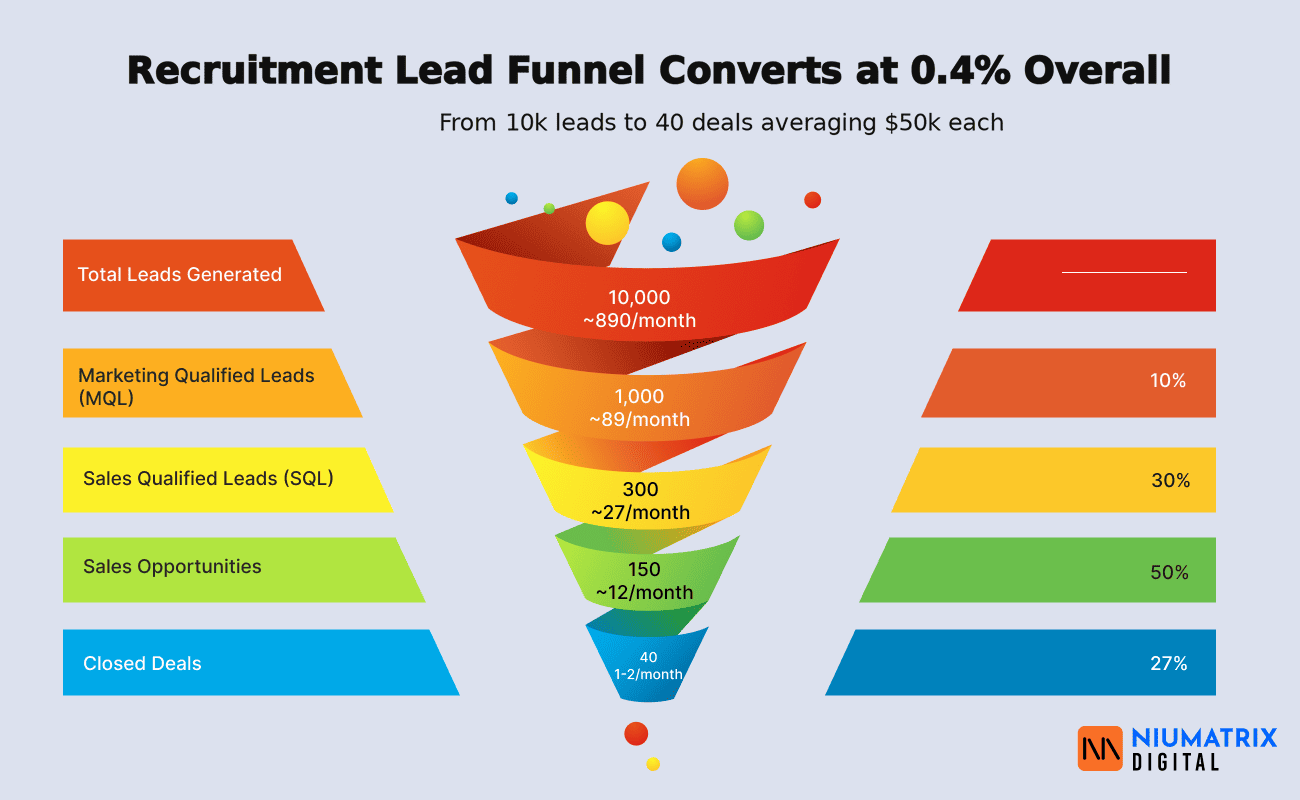
Example Goal-Setting Process:
- Annual Revenue Target: $2M
- Average Deal Value: $50K
- Deals Needed: 40 deals
- Conversion Rates Assumed:
- Leads to MQL: 10%
- MQL to SQL: 30%
- SQL to Opportunity: 50%
- Opportunity to Close: 25%
- Leads Required: 40 deals ÷ (0.10 × 0.30 × 0.50 × 0.25) = 10,667 leads/year
- Monthly Lead Target: 889 leads/month
- Budget Allocation: $889 × $80 CPL target = $71,120/month marketing budget
Work backward from revenue goals to set lead generation targets.
15. Implementation Roadmap
Lead generation is not a single initiative but an evolving system. Deploy gradually to avoid overwhelm.
15.1. Phase 1: Foundation (Months 1-2)
Content & Website
- Define ICP and buyer personas
- Audit and optimize website technical SEO
- Create 3-5 cornerstone content pieces (salary guide, hiring guide, etc.)
- Implement lead capture on website (forms and chatbot)
- Set up analytics and conversion tracking
Email & CRM
- Select and implement CRM (HubSpot, Zoho, etc.)
- Create email welcome series
- Build email segmentation structure
- Develop lead scoring model
- Set up basic automation workflows
LinkedIn Foundation
- Optimize company LinkedIn page
- Set up founder/team member profiles
- Create LinkedIn content calendar
- Identify Sales Navigator search criteria
- Begin posting (1-2x weekly)
Measurement
- Set up Google Analytics 4
- Create initial tracking dashboard
- Define key KPIs and targets
- Establish baseline metrics
15.2. Phase 2: Scaling (Months 3-4)
Content Expansion
- Publish 8-12 blog posts
- Develop video content (2-4 videos)
- Create downloadable resources (3-4 additional assets)
- Optimize top pages for SEO
- Implement schema markup
LinkedIn Expansion
- Launch Sales Navigator outreach campaign
- Increase posting frequency (3-4x weekly)
- Begin LinkedIn Ads testing ($500-1,000/month)
- Engage in content commentary
- Track connection rates and messaging metrics
Paid Advertising
- Launch Google Ads campaign
- Start with $1,500-2,000/month budget
- Test 3-4 keyword themes
- Create landing pages for campaigns
- Monitor and optimize conversion rates
Email Expansion
- Expand email segments
- Create nurture series for different personas
- Implement behavioral triggers
- Test send times and content variations
- Monitor open and click rates
15.3. Phase 3: Optimization (Months 5-6)
Data-Driven Optimization
- Analyze what’s working across channels
- Kill or pause underperforming campaigns
- Increase budget for top-performing channels
- Optimize underperformers or redesign
- A/B test creative and messaging
Advanced Tactics
- Launch first webinar or event
- Develop referral program
- Implement retargeting ads
- Create partnership opportunities
- Develop case studies from early wins
Measurement & Reporting
- Monthly performance reviews
- Quarterly strategy adjustments
- Forecast next quarter based on data
- Share results with leadership
- Document learnings and optimizations
15.4. Phase 4: Growth (Months 7-12)
Scaling Successful Channels
- Increase budgets for top channels by 25-50%
- Expand geographic or demographic targeting
- Test new content types and formats
- Scale successful campaigns
- Reduce or eliminate lowest-performing activities
System Maturation
- Streamline processes and workflows
- Automate repetitive tasks
- Hire or outsource execution
- Document playbooks and processes
- Train team on new systems
Advanced Growth
- Test new channels or tactics
- Expand content into thought leadership
- Develop proprietary data/research
- Build strategic partnerships at scale
- Establish industry authority position
16. FAQs
16.1. General Lead Generation Questions
Q: How long does it take to see results from lead generation efforts?
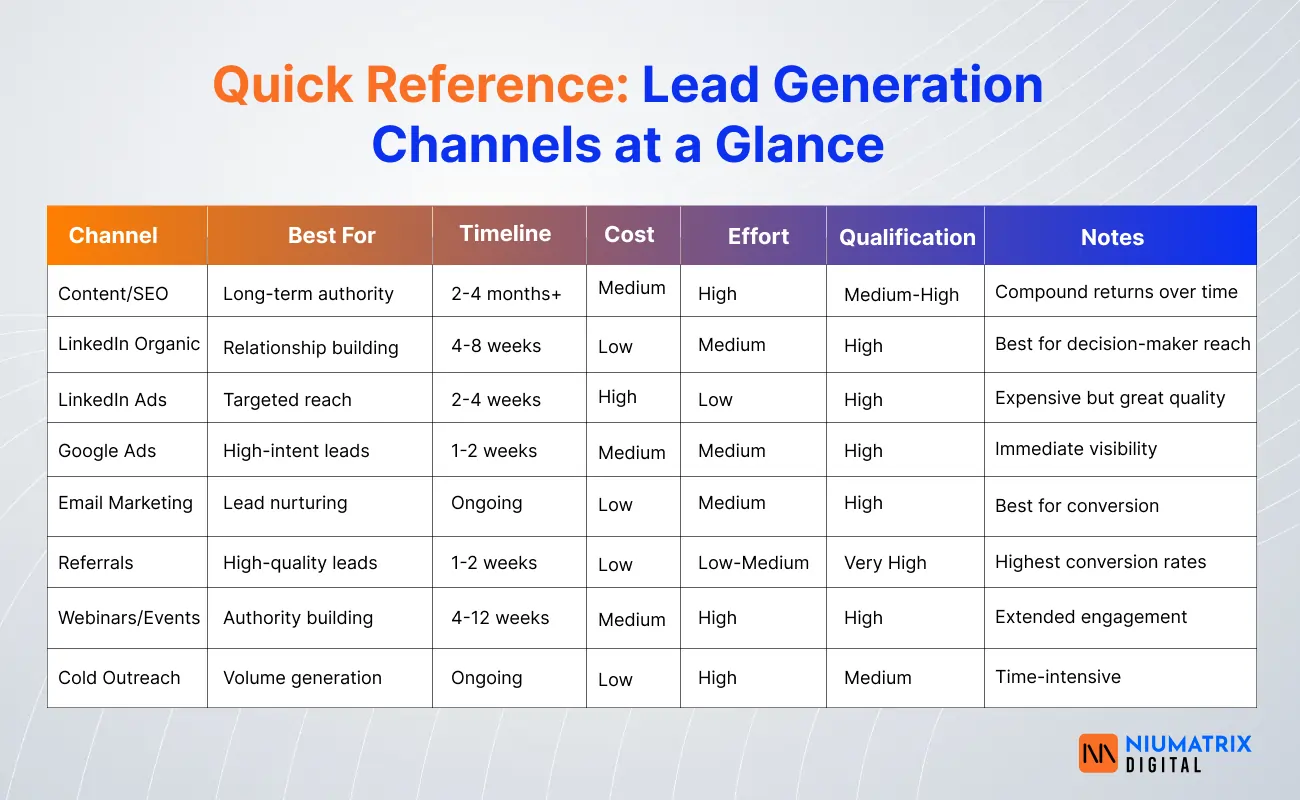
A: Timeline varies by channel. Paid advertising (Google, LinkedIn) delivers leads within 2-4 weeks. Email and nurture campaigns show results in 4-8 weeks. Content and SEO require 2-4 months to see meaningful traffic, 4-6 months for significant lead volume. The most successful agencies view lead generation as a 12-month+ commitment rather than short-term tactic.
Q: What’s a realistic cost per lead for staffing agencies?
A: Depends on channel and specificity:
- Google Ads: $50-150 per lead
- LinkedIn Ads: $100-300 per lead
- Content/SEO: $30-80 per lead
- Referrals: $10-30 per lead
- Email campaigns: $20-40 per lead
Quality varies by source. Referral and email leads typically convert at 2-3x the rate of cold leads despite volume differences.
Q: Should we focus on quantity or quality of leads?
A: Quality always wins. 100 highly qualified leads will outperform 1,000 poor-fit leads. Focus on targeting, messaging, and qualification to ensure leads match your ICP. It’s far better to have 50 sales-ready leads than 500 lukewarm ones.
Q: How do we handle leads that aren’t ready to buy now?
A: Implement a nurture system for every lead:
- Segment by engagement level
- Create educational content for cold leads
- Send regular valuable content (not constant pitches)
- Use behavioral triggers for re-engagement
- Move to sales when buying signals appear
- Never delete or abandon leads
Many sales happen 3-6 months after initial contact when the prospect’s need becomes urgent.
Q: What’s the right marketing budget for lead generation?
A: Budget depends on goals and channel mix:
- Bootstrapped/starting: $500-1,000/month (mostly organic)
- Growing agency: $2,000-5,000/month (mix of paid and organic)
- Established agency: $5,000-15,000+/month (balanced portfolio)
Most agencies should allocate 10-20% of revenue to marketing and sales. If you don’t have a baseline, start with $2,000/month testing across channels and scale what works.
16.2. Strategy and Channel Questions
Q: Which lead generation channel should we start with?
A: Start with the channel matching your strengths:
- Strong at content/writing: Blog and SEO
- Active on LinkedIn: LinkedIn organic and outreach
- Team available for calling: Cold calling and email
- Budget available: Paid advertising
- Existing relationships: Referral programs
Don’t spread too thin. Master one channel deeply before adding a second.
Q: How important is SEO for staffing agencies?
A: Very important. SEO provides:
- Consistent, long-term lead flow
- Lower cost per lead once established
- Credibility and authority signals
- Traffic you don’t “pay rent on” every month
However, SEO takes 2-4 months to show results. Use SEO as long-term strategy while also employing paid and outreach tactics for immediate lead flow.
Q: Can we compete with Indeed, LinkedIn, and other job boards?
A: Not on their terms, but you can own a different position:
- Specialize deeply in specific industries/roles
- Provide expertise and consultation (not just listings)
- Build relationships and community
- Offer faster placement and better matching
- Create authority through content and thought leadership
Compete on expertise and service, not listing volume.
Q: What’s the best way to reach procurement/MSP managers?
A: Target procurement decision-makers:
- LinkedIn Sales Navigator (job title filters)
- Industry events and conferences
- Direct cold calling (purchasing departments)
- Referrals from existing clients
- Content on MSP optimization and vendor management
- Account-based marketing for key accounts
These roles require longer sales cycles and relationship-building than hiring managers.
16.3. Measurement and Optimization Questions
Q: How often should we review and adjust our lead generation strategy?
A: Review frequency:
- Weekly: Volume and cost metrics
- Monthly: Full performance analysis and A/B test results
- Quarterly: Strategic review and budget reallocation
- Annually: Comprehensive strategy review and goal-setting
Adjust quickly (within 2 weeks) for underperforming tactics. Give new initiatives 4-6 weeks before judging effectiveness.
Q: How do we know if our leads are actually qualified?
A: Track multiple quality indicators:
- Company fit vs. ICP (right size, industry, location)
- Conversion rates (% of leads that become sales conversations)
- Sales team feedback (are leads worth their time?)
- Close rates (what % of qualified leads close)
- Customer quality (are they profitable long-term clients?)
Qualified leads should convert to sales at 20%+ rates. If conversion is <10%, improve targeting or messaging.
Q: What’s the difference between lead generation and lead nurturing?
A: They serve different purposes:
Lead Generation: Getting someone interested and capturing contact information
- Tactics: Ads, content downloads, webinars, cold outreach
- Goal: Build list of prospects
- Timeline: Days to weeks
Lead Nurturing: Keeping leads engaged and moving toward a sale
- Tactics: Email, educational content, regular touchpoints, social engagement
- Goal: Keep lead warm until they’re sales-ready
- Timeline: Weeks to months
Both are essential. Poor lead generation wastes time on nurturing. Poor nurturing wastes leads you’ve captured.
Q: How do we attribute revenue to lead generation efforts?
A: Use multi-touch attribution:
- Track which lead source initially engaged the prospect
- Track all touchpoints before conversion
- Give partial credit to each touchpoint
- Calculate revenue per source
- Measure ROI by channel
Without attribution, you won’t know where to invest your budget. Use your CRM to track full customer journey.
16.4. Technology and Tools Questions
Q: Do we need expensive enterprise software for lead generation?
A: Not necessarily. Start lean:
- CRM: HubSpot free tier covers 1M contacts
- Email: Mailchimp free tier for up to 500 contacts
- LinkedIn: Sales Navigator ($99/month minimum)
- Analytics: Google Analytics (free)
- Content: WordPress + Canva + free tools
Scale tools as you grow. Most agencies can start effectively for <$500/month before upgrading.
Q: How do we track leads across multiple channels and touchpoints?
A: Use your CRM as the central hub:
- All leads enter CRM with source tracked
- CRM links all touchpoints (email opens, website visits, form submissions)
- Automation logs all interactions
- Reports show complete customer journey
- Attribution models credit source channels fairly
Without a CRM connecting everything, you won’t have a complete picture.
Q: What’s the difference between ATS and CRM for lead generation?
A: They serve different purposes:
ATS (Applicant Tracking System):
- Focuses on candidate management
- Tracks job applications and interviews
- Not ideal for client acquisition
CRM (Customer Relationship Management):
- Focuses on prospect/client relationships
- Tracks all interactions and touchpoints
- Essential for lead generation
- Can include ATS features for unified platform
For lead generation, you need CRM. Recruitment-specific platforms like Bullhorn and Vincere combine both.
16.5. About Lead Generation for Staffing Specifically
Q: How is lead generation different for staffing than other B2B industries?
A: Staffing lead generation has unique aspects:
- Multiple stakeholders: You’re often selling to multiple people (hiring manager, HR, procurement)
- Recurring need: Good clients have ongoing hiring needs (unlike one-time purchase)
- Urgency: Hiring needs often emerge quickly and require fast response
- Process complexity: Must navigate MSPs, VMS systems, approved supplier lists
- Relationship-driven: Personal relationships matter more than in many B2B spaces
Your messaging should address these unique dynamics rather than generic B2B approaches.
Q: How do we generate leads for both temporary and permanent placement?
A: Address different buyer needs:
For Temp/Contract:
- Emphasize speed and flexibility
- Target companies with fluctuating needs
- Highlight quick fill rates
- Focus on cost efficiency
For Permanent Hire:
- Emphasize quality and fit
- Target companies with growth plans
- Highlight retention rates
- Focus on long-term value
Create different landing pages, email sequences, and content for each segment.
Q: What’s the best approach for contacting companies that don’t have visible job openings?
A: The “passive” hiring market:
- Look for growth signals:
- Funding announcements
- Leadership changes
- New product launches
- Expansion into new markets
- Recent hiring reported on LinkedIn
- Use consultative approach:
- “We work with similar companies in your space…”
- “Many companies we work with have challenges with X…”
- “We’ve noticed your growth and thought you might need…”
- Provide value first:
- Share market data relevant to their industry
- Offer salary benchmarking
- Share hiring process improvements
- Be patient:
- These conversations are longer
- Build relationships before pitching
- They’ll reach out when need emerges
Companies not actively posting often become your best clients because there’s less competition.
Q: How do we stand out from thousands of other staffing agencies?
A: Differentiation strategies:
- Deep specialization: Own a specific industry or role type
- Expertise and thought leadership: Become known for market knowledge
- Exceptional results: Build case studies showing speed and quality
- Consultative approach: Sell expertise, not just bodies
- Community building: Create communities around your specialty
- Personal relationships: Prioritize relationships over transactional interactions
Choose one differentiation angle and own it deeply rather than being generic.
Q: How do we handle seasonal fluctuations in hiring?
A: Plan for seasonality:
- Understand your cycles: Track which months are high/low hiring
- Lead generation in low seasons: Build pipeline before busy season hits
- Content planning: Create relevant content 2-3 months before peak season
- Email campaigns: Run nurture campaigns before seasonal peaks
- Paid advertising: Increase spend 4-6 weeks before peak season
Generate 60% of leads in your low season so you have pipeline ready for busy season.
17. Implementation Checklist
Ready to get started? Use this checklist to guide your lead generation launch:
Month 1: Foundation
- Define ICP and buyer personas
- Audit current website and identify improvements
- Set up Google Analytics 4
- Select and implement CRM
- Create content calendar for next 3 months
- Write first 2-3 cornerstone content pieces
- Create basic email welcome series
- Set up lead scoring criteria
- Optimize LinkedIn company page
Month 2: Content & Website
- Publish 4-6 blog posts
- Implement schema markup on website
- Create 2-3 downloadable lead magnets
- Set up email signup forms (at least 2 places)
- Implement chatbot for lead capture
- Create analytics dashboard
- Begin LinkedIn organic posting (2x/week)
- Start email newsletter
- Document first wins and learnings
Month 3: Paid Advertising
- Launch Google Ads campaign
- Create relevant landing pages
- Test 3-4 keyword themes
- Begin tracking ad performance
- Launch LinkedIn Ads ($500-1,000 testing budget)
- Create email nurture sequences
- Publish 4-6 additional blog posts
- Begin Sales Navigator outreach
- Document what’s working
Month 4: Optimization
- Review all channel performance
- A/B test high-impact elements
- Optimize underperforming campaigns
- Increase budget on winning channels
- Expand email list and segmentation
- Create first webinar or event
- Develop first case studies
- Plan referral program
- Quarterly strategy review
18. Conclusion
Lead generation is not a one-time project but an ongoing system requiring consistent effort and optimization. The agencies that win in 2026 will be those that implement multi-channel strategies, measure everything, and continuously optimize based on data.
Start with the foundation: define your ICP, build your website and CRM, create valuable content, and establish a measurement framework. Then systematically add channels—LinkedIn, paid advertising, email, events—monitoring performance and scaling what works.
Remember that the best lead generation combines inbound strategies (content, SEO, thought leadership) with outbound tactics (cold outreach, paid advertising, events). The most successful agencies maintain 60% predictable inbound and 40% aggressive outbound.
Most importantly, focus on quality over quantity. 50 highly qualified leads that convert at 40% beats 500 poor-fit leads that convert at 5%. Build systems that attract the right leads, nurture them effectively, and move them toward sales when ready.
The roadmap is clear. The tactics are proven. Now it’s time to execute.
Quick Reference: Lead Generation Channels at a Glance
Guide completed. Ready to implement your lead generation strategy? Start with Phase 1 this month.
About The Author

Get A Free Consultation
I can help you grow your B2B business.
Ready to Generate 40-80+ Qualified Leads/Month?
Get a free 30-minute Growth Blueprint call. You’ll learn:
- Your current cost per lead vs. industry benchmarks
- Which channels are leaving money on the table for firms like yours
- A 90-day roadmap to predictable lead generation
- Specific positioning recommendations for your segment
No sales pitch. Just honest advice.